How To Choose The Right Tow Truck For Your Situation
Breaking down on the side of the road is rarely planned. Whether it’s a flat battery before work, a vehicle that won’t start at home, or an accident that leaves your car undriveable, the situation can feel stressful and disorienting. In those moments, knowing how to choose the right tow truck on the Central Coast can make the experience far more manageable.
Not all towing situations are the same, and not every tow truck is suited to every job. Understanding the different types of tow trucks, what questions to ask, and why local availability matters can help drivers make calm, informed decisions when time and safety are important. This guide explains how to choose the right tow truck for your specific situation, with a focus on practicality, safety and clear communication.
Start by Assessing Your Situation
Before calling for assistance, take a moment to consider what has happened and where your vehicle is located. This information helps the towing provider send the most suitable truck and equipment.
Key details to consider include:
- Whether the vehicle is drivable or completely immobile
- If the issue is mechanical, electrical or accident-related
- Where the vehicle is positioned – roadside, driveway, car park or off-road
- The type and size of your vehicle
Providing clear information allows the tow operator to match the response to your needs.
Understanding Different Types of Tow Trucks
Tow trucks are designed for different scenarios. Choosing the correct type helps reduce the risk of further damage and supports a smoother recovery.
Flatbed Tow Trucks
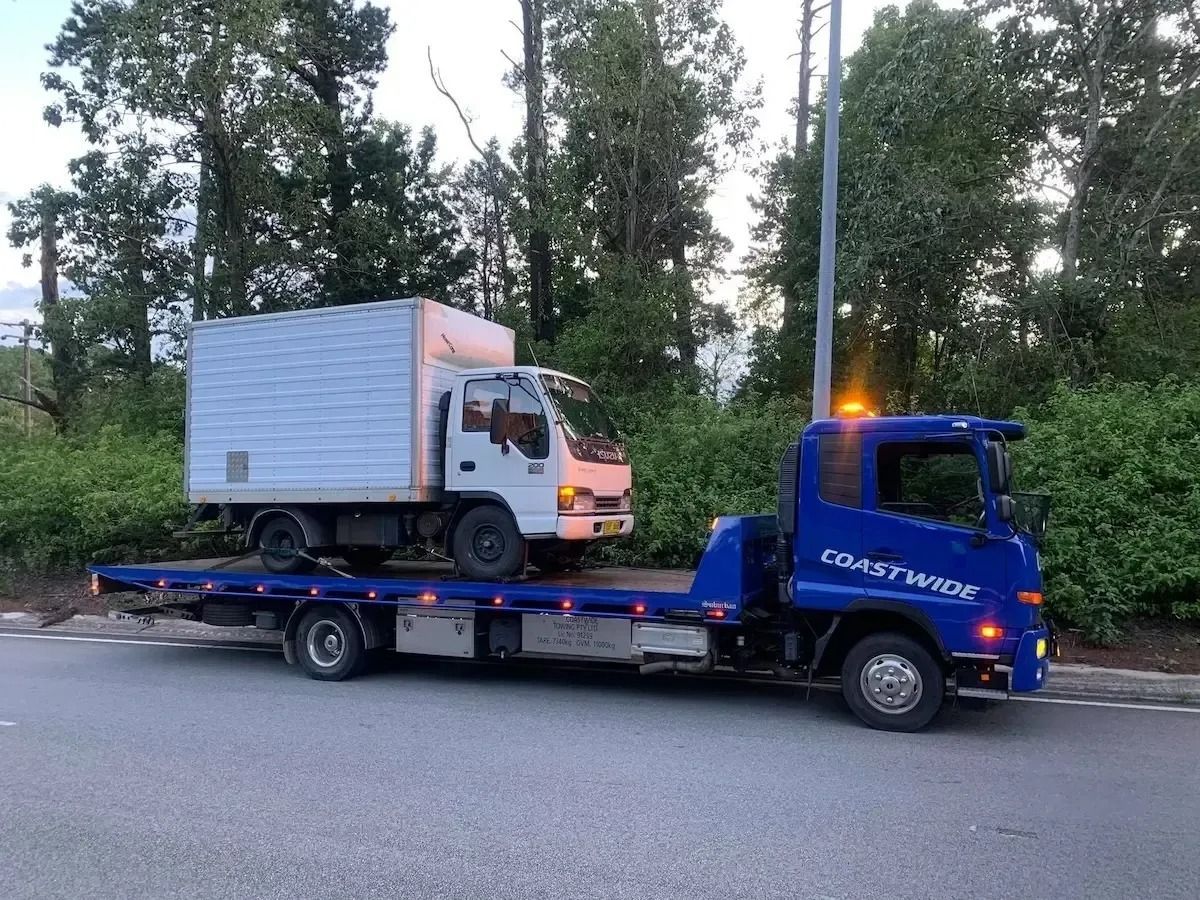
Flatbed trucks carry the entire vehicle on a tray. These are commonly used for:
- Accident-damaged vehicles
- All-wheel-drive cars
- Luxury or low-clearance vehicles
- Vehicles that cannot roll
Flatbeds are often preferred when safety and stability are priorities.
Tilt Tray Tow Trucks
Tilt tray trucks are similar to flatbeds but use a tilting mechanism to load the vehicle. They are suitable for:
- Breakdowns
- Short-distance transport
- Vehicles stuck in awkward positions
They are commonly used across the Central Coast and surrounding areas.
Wheel-Lift Tow Trucks
Wheel-lift trucks raise either the front or rear wheels off the ground. These are often used for:
- Quick roadside tows
- Vehicles parked in tight spaces
- Short-distance relocations
While practical in certain situations, they are not always suitable for all vehicle types.
Matching the Tow Truck to Your Vehicle
Vehicle type plays a major role in choosing the right tow truck. Sedans, SUVs, motorcycles and light commercial vehicles may all require different approaches.
When speaking with a towing provider, it helps to mention:
- Make and model of the vehicle
- Any modifications or lowered suspension
- Whether the wheels are locked or damaged
This information helps ensure the correct equipment is dispatched.
The Importance of Local Availability
When you’re stranded, waiting for assistance can feel longer than it is. Choosing a service with strong local coverage can reduce wait times and confusion.
A tow truck on the Central Coast that operates locally is more likely to:
- Know the road network well
- Reach you faster
- Coordinate efficiently with nearby repairers or destinations
For drivers travelling between regions, it’s also helpful to know whether the service covers nearby areas such as Newcastle. This can be especially relevant for those searching for a Newcastle tow truck or
car tow truck in
Newcastle when moving between locations.
Considering 24/7 Availability
Vehicle issues don’t follow business hours. Breakdowns can happen late at night, early in the morning or on weekends.
When choosing a tow service, it’s worth checking:
- Whether assistance is available 24/7
- How after-hours calls are handled
- Estimated response times
Having access to a tow truck at any time of day can offer reassurance, particularly for families, commuters and shift workers.
Safety Should Always Come First
Roadside safety is critical, especially if your vehicle has stopped in traffic or a high-risk location.
A suitable tow service should prioritise:
- Safe loading and securing of vehicles
- Clear communication during recovery
- Awareness of roadside hazards
If you feel unsafe where you are, letting the towing provider know can help them respond appropriately.
Clear Communication and Transparent Pricing
In stressful situations, clear communication makes a significant difference. Understanding what will happen next and what costs may be involved helps reduce uncertainty.
When arranging a tow, consider asking:
- What type of truck will be sent
- Estimated arrival time
- Where the vehicle will be taken
- How pricing is calculated
Transparent pricing and straightforward explanations support informed decision-making, even under pressure.
Licensing and Insurance Considerations
Towing involves handling valuable property and operating heavy equipment. Licensing and insurance are important factors for both safety and accountability.
While drivers don’t need to understand every detail, it’s reasonable to confirm that the service operates within industry requirements. This helps provide peace of mind during vehicle recovery.
Breakdown vs Accident Towing
Not all towing scenarios are the same. A mechanical breakdown often requires a different response compared to an accident recovery.
Breakdown Towing
Typically involves:
- Vehicles that won’t start
- Flat batteries
- Overheating or mechanical failure
These situations often focus on moving the vehicle safely to a repair location.
Accident Towing
May involve:
- Damaged or immobile vehicles
- Coordination with insurers or authorities
- Additional care during loading
Understanding the nature of your situation helps ensure the right tow truck is dispatched.
Transporting Vehicles Beyond Emergencies
Tow trucks aren’t only used for emergencies. Many drivers also use towing services for planned vehicle transport.
Common non-emergency uses include:
- Moving unregistered vehicles
- Transporting classic or project cars
- Relocating vehicles between properties
In these cases, scheduling and communication remain just as important as speed.
Why Local Knowledge Matters
Road conditions, traffic patterns and access points vary across regions. Local towing services are often familiar with:
- Common breakdown hotspots
- Safe loading areas
- Local workshops and destinations
This local understanding supports smoother vehicle recovery across the Central Coast and nearby areas.
Preparing Before You Need a Tow
One of the simplest ways to reduce stress during a breakdown is preparation. Saving contact details in advance means you’re not searching for help when emotions are high.
Helpful steps include:
- Saving a local tow service number in your phone
- Knowing your vehicle details
- Understanding your roadside assistance coverage
Preparation allows you to focus on safety and communication when something goes wrong.
Choosing Calm, Reliable Assistance
When a vehicle problem occurs, drivers often want reassurance as much as speed. Clear information, timely response and careful handling all contribute to a smoother experience.
Selecting the right tow truck on the Central Coast is about matching the service to your situation rather than simply choosing the first available option.
Tow Truck on the Central Coast – Local Support When You Need It
We at Coastwide Towing & Transport assist drivers with a tow truck on the Central Coast, offering support for breakdowns, accidents and vehicle transport needs across the region and nearby areas, including Newcastle. Whether you’re searching for “tow truck near me” or need assistance from a Newcastle tow truck, our team focuses on clear communication, timely response and careful vehicle handling.
For more information or to save our details for future peace of mind, visit our website.