What Is A Tilt Tray Truck And When Do You Need One?
A driveway scrape that ruins a lowered sports car, a written-off sedan that can't roll under its own power, an excavator that needs shifting from one site to the next. These situations have almost nothing in common, except one thing: they all call for the same solution. Tilt tray towing has become the standard for anyone who needs a vehicle or piece of equipment moved without added damage, delay or risk. If you've ever wondered what sets this method apart from a standard tow truck, or when you actually need one, here's a straightforward look at how it works and why it matters.
What Is a Tilt Tray Truck?
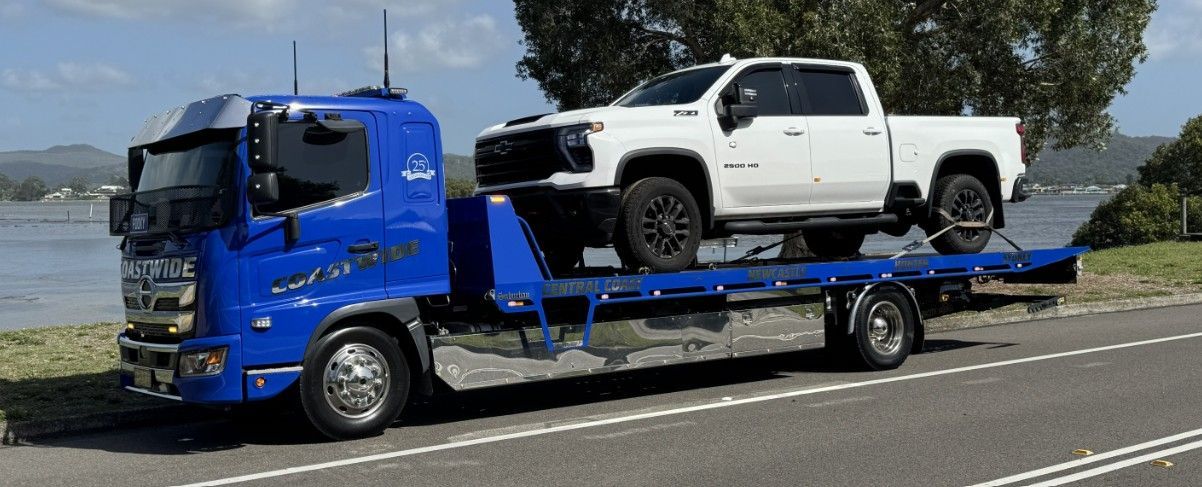
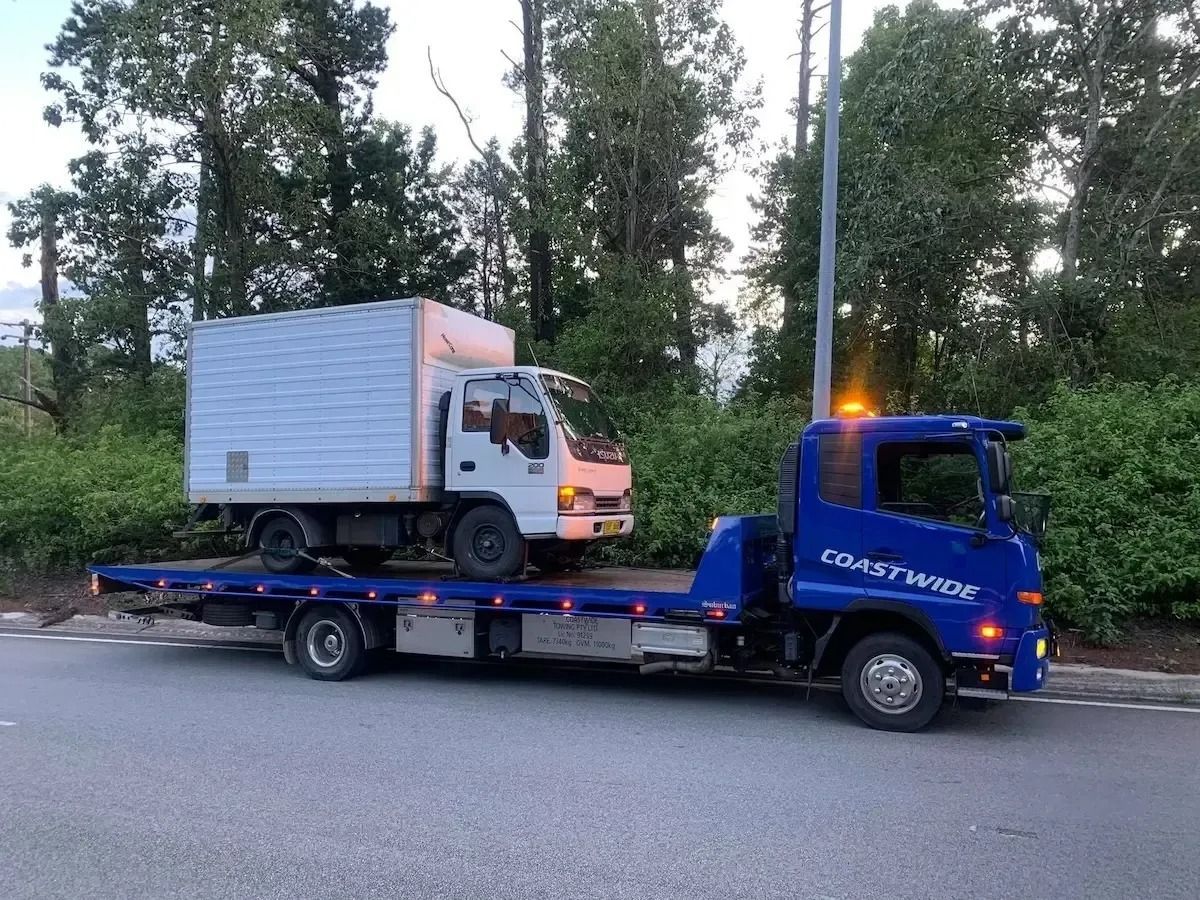
A tilt tray truck is a flatbed tow truck with a hydraulic tray that tilts down to ground level, allowing a vehicle to be driven, winched or rolled straight onto the deck. Unlike older towing methods that lift a vehicle partially off the ground, a tilt tray carries the entire vehicle, wheels and all, which removes a lot of the risk that comes with dragging or partial lifting. This makes it one of the most versatile options in the towing industry, suitable for everything from small hatchbacks to heavy machinery.
Here's what makes a tilt tray truck different from other towing equipment:
- Hydraulic tray that lowers to ground level for easy loading
- Full vehicle support during transport, not just partial lifting
- Suitable for cars, vans, trucks and machinery
- Reduces contact points that can cause scrapes or mechanical strain
How Does A Tilt Tray Truck Work?
Once the tray is lowered, the vehicle is either driven on under its own power or winched into place if it's not driveable. The tray then tilts back to a flat, horizontal position and the vehicle is secured with straps or chains before transport begins. It's a simple concept, but the mechanics behind it are what make this method so reliable for a wide range of vehicles and loads.
The process generally follows these steps:
- Tray lowers to ground level behind the truck
- Vehicle is driven, winched or rolled onto the deck
- Tray returns to a flat position for transport
- Vehicle is secured with straps and safety restraints
This method keeps the vehicle stable throughout the trip, whether it's travelling a short distance or being transported across the region.
When You Need A Tilt Tray Truck (Not A Hook And Chain)
Not every towing job calls for the same equipment, and knowing when to use a tilt tray tow truck rather than an older hook and chain setup can save you from unnecessary repair costs. Hook and chain towing drags part of the vehicle along the ground or leaves it partially suspended, which can put strain on the chassis, bumper or suspension. Tilt tray towing avoids this altogether by carrying the whole vehicle, making it the safer option for most modern cars and specialised loads.
Situations where a tilt tray is the better choice include:
- Vehicles with low ground clearance
- Cars with sensitive bumpers or aftermarket parts
- Non-drivable or accident-damaged vehicles
- Any vehicle where chassis contact needs to be avoided
Low-Clearance And Sports Cars
Lowered cars, sports models and anything with minimal ground clearance are particularly vulnerable to damage from traditional towing methods. Even a slight incline at the point of loading can cause a bumper or splitter to scrape against the ground. A tilt tray truck removes this risk because the tray lowers flush with the road, letting the vehicle roll on without any awkward angles or unnecessary contact.
Owners of these vehicles often look for:
- A tray angle low enough to avoid scraping
- Careful, considered loading and securing
- Experience handling performance or modified vehicles
- Transport that protects factory or aftermarket parts
Damaged Or Non-Drivable Vehicles
When a vehicle has been in an accident or simply won't start, it needs to be loaded without relying on its own engine or wheels turning freely. A tilt tray truck handles this through winching, which brings the vehicle onto the deck gradually and under control, rather than dragging it or forcing movement that could cause further damage. This is especially important for vehicles with damaged steering, locked wheels or structural issues.
Non-drivable vehicles typically require:
- Safe winching rather than forced movement
- Assessment of any additional damage risk
- Secure strapping for vehicles that can't self-stabilise
- Careful handling of vehicles with broken axles or wheels
Classic And Prestige Vehicles
Older, rare or high-value vehicles often have components that weren't built to withstand the stress of standard towing. Suspension parts, panels and even paintwork can be more delicate than on a modern production car, which makes a tilt tray truck the obvious choice. Carrying the vehicle fully on the deck avoids the flexing and strain that can come with partial lifting.
These vehicles usually need:
- Extra care during loading and unloading
- Minimal movement once secured
- Transport that avoids unnecessary vibration or shifting
- Drivers experienced with delicate or older mechanical systems
Heavy Machinery And Equipment
Tilt tray towing isn't limited to cars. Machinery such as excavators, forklifts and compact loaders often needs relocating between job sites, and a tilt tray truck provides a stable, secure way to do this without relying on separate trailers or specialised low-loaders for every job. The same principles apply: full support across the deck, controlled loading and safe restraint during transport. For larger or heavier equipment, heavy machinery towing requires additional planning around weight distribution and load securing.
Machinery transport commonly involves:
- Load capacity suited to construction or agricultural equipment
- Secure tie-down points for irregular shapes
- Coordination around site access and timing
- Experience with both light and heavy machinery types
Tilt Tray Vs Hook And Chain Towing
The difference between these two methods comes down to how much of the vehicle is supported during transport. Hook and chain relies on lifting one end while the other end remains on the road, which can cause wear on tyres, suspension and bodywork, particularly over longer distances. Carrying the vehicle in full avoids this entirely, which is why it's become the preferred method for most towing situations today. For a broader breakdown of options, it's worth reading about the different types of tow trucks and when to use them.
Key differences between the two methods include:
- Full support versus partial lifting
- Reduced wear on tyres and suspension
- Better suited to low-clearance and prestige vehicles
- More consistent handling across different vehicle types
Tilt Tray Towing On The Central Coast And Newcastle
Understanding when to use a tilt tray tow truck makes a real difference when something goes wrong on the road, whether that's a breakdown, an accident or simply the need to relocate machinery between sites.
Tilt tray towing Central Coast drivers and businesses rely on takes care of the details, from low-clearance cars to heavy equipment, so nothing gets left to chance. For those further north, reliable
car towing Newcastle residents and fleet operators can count on covers the same range of vehicles and machinery with the same attention to detail.
Get In Touch With Coastwide Towing & Transport
We at
Coastwide Towing & Transport know that no two towing jobs are ever quite the same, which is why our fleet of tilt tray trucks is built to handle everything from prestige cars to heavy machinery with care and precision. Whether you're dealing with a breakdown on the Central Coast, need machinery relocated across the Hunter Region, or want peace of mind before a long-distance transport, our team is ready to help. Give us a
call today to book your tow or ask any questions about how a tilt tray truck can work for you.